Wild Thoughts
Reflections on Nature, Environmental Education, Earth Stewardship and Kinship
A curated collection of my ongoing writing, observations, and reflections from the field. These posts, document the daily practice of environmental education and the evolving stories of connecting children to the natural world.

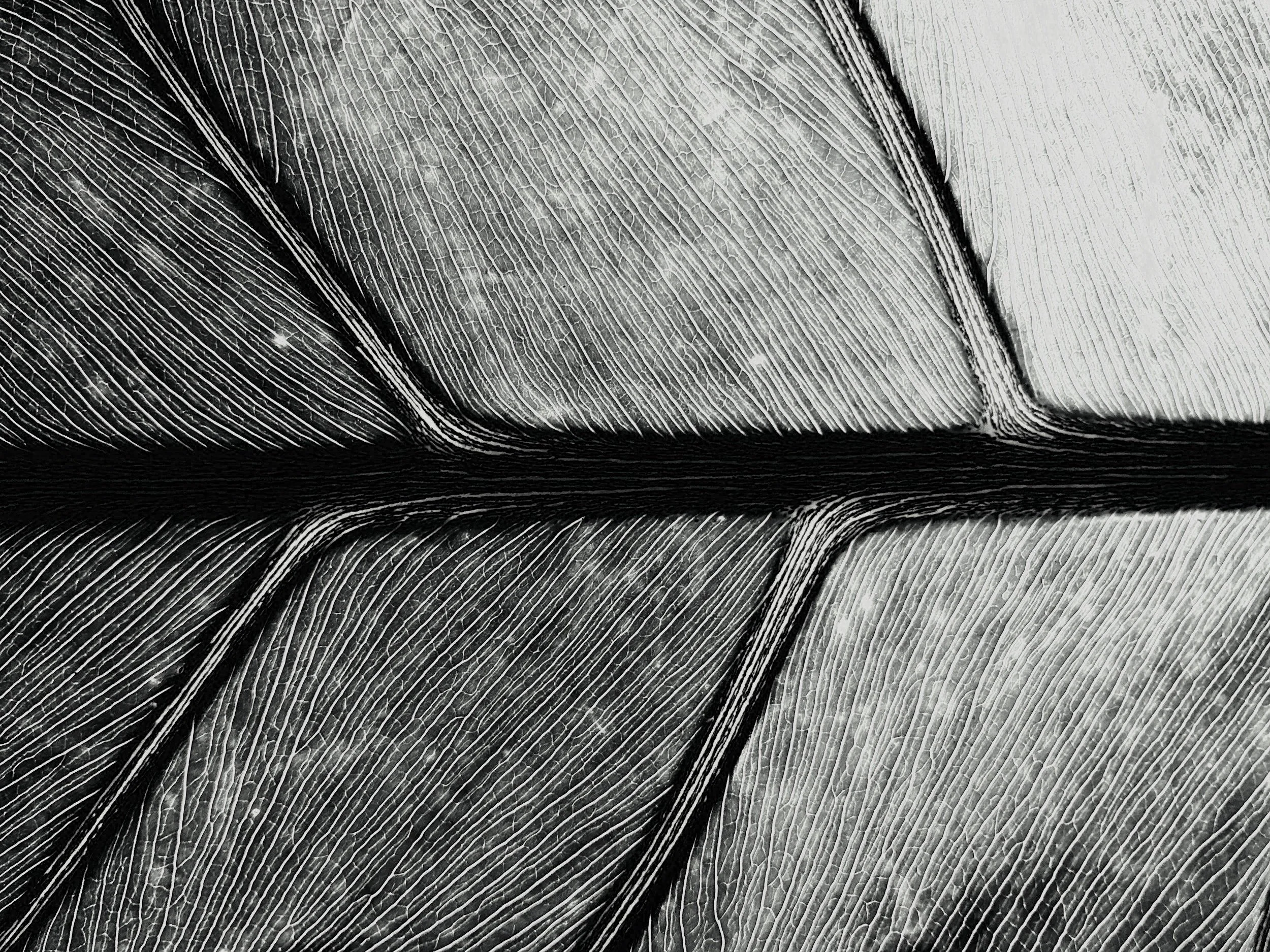
The next time you go for a walk with your children, pause to pick up a leaf from the ground. Hold it gently in your hand and remember the wise words of Sherlock Holmes, the famous detective created by Sir Arthur Conan Doyle.
When asked by Watson how he solved a crime, Holmes replied, “My dear Watson, you see but you do not notice.”
Outdoor education builds confidence, resilience, skills, and well-being. But are these benefits its ultimate purpose? This provocative essay challenges outdoor educators to look beyond what nature can do for us and consider what we can give back. Perhaps the deeper purpose of outdoor education isn't simply to take people outside, but to nurture belonging, kinship, and a lasting responsibility to care for the living Earth.
Drawing from his book The Book of Nature Connection, Jacob shares practical sensory activities to help us tune into the "textured tapestry" of the environment. From "Deer Ears" to becoming a "psithurist" (a connoisseur of tree songs), he provides tools to activate our senses and deepen our bond with the living world.
Jacob questions what we lose when we outsource our knowledge to digital apps. He invites readers to cultivate "full-bodied knowing"—the deep, lived understanding that comes from repeated, device-free encounters with nature—and explains why this personal relationship is vital for conservation and stewardship.
Addressing the modern epidemic of loneliness, Jacob suggests that our disconnection from the Earth is a primary source of our restlessness. He explores the concept of "natural loneliness" and offers a path home through tending ecological bonds and remembering our place within the vast, unfolding story of life.
In this reflection on language, Jacob examines how our vocabulary often reduces nature to a "resource" or a "commodity." He advocates for a "rewilding" of our words—moving toward a language of kinship and reciprocity that recognizes the inherent worth of the soil, the water, and the more-than-human world.
Jacob explores the hidden risks of a sedentary, indoor lifestyle. He argues that while we worry about the physical risks of being outdoors, the real danger to children lies in the lack of "Vitamin N"—leading to a decline in immunity, mental health, and the resilience that only time in the natural world can provide.